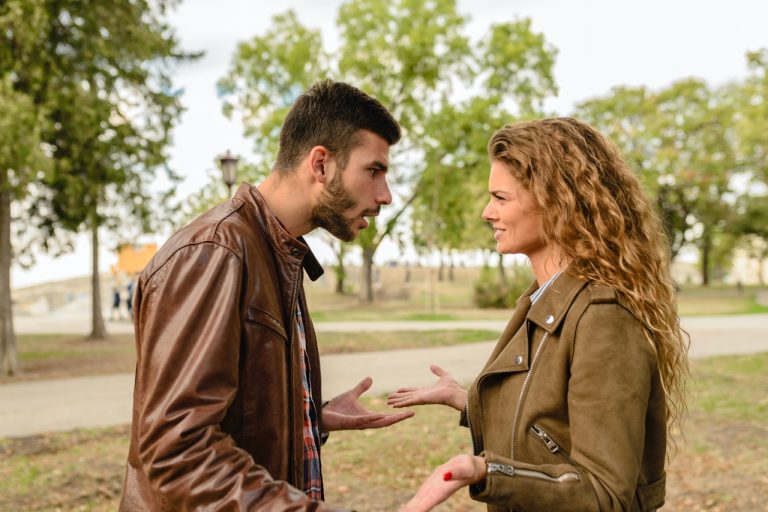
6 Weird Ways Survivors Of Narcissistic Abuse Behave Around Kind People
The most painful thing about narcissistic abuse is what it does to the people who come after the narcissist.
Someone looks at you with genuine love and your chest tightens. Someone does something kind for you and, instead of feeling grateful (and deep down you do), you feel afraid. You stand there analyzing their words, dissecting their smile, waiting for the moment they reveal their true intentions — because the last person who was this kind to you, or pretended to be, used that kindness as a weapon. And you know I’m talking about the narcissist.
Now your body cannot tell the difference between someone trying to love you and someone trying to destroy you.
Today we are going to talk about six strange behaviors that survivors of narcissistic abuse develop around genuinely kind people. Stay until the very end because number six is the one almost nobody talks about, and it’s the one that destroys the most relationships after abuse.
The first strange behavior is that you interrogate every act of kindness as if it were a crime scene. Someone brings you coffee. Someone remembers your birthday. Someone asks how your day was and actually listens to the answer. Instead of feeling warmth, your brain launches a full investigation: What do they want? Why are they being so nice? What’s the angle here? It’s like receiving a wrapped gift from a stranger. A typical person opens it with excitement. You — because of what you’ve been through — hold it at arm’s length. You shake it. You examine every corner of the wrapping paper because the last wrapped box you opened exploded in your face. The narcissist taught you that kindness always comes with a price tag. Every nice word was a deposit they would later withdraw with interest. Every thoughtful gesture was a receipt they would wave in your face during the next argument. So when someone is genuinely kind to you, your body treats it like a setup. You scan for the invoice. You wait for the bill. The tragedy is that the bill never comes, but you never stop looking for it. This suspicion doesn’t just live in your thoughts — it lives in your body.
The second strange behavior is that you physically flinch when someone reaches for you with tenderness. A hand moves toward your face and your shoulders tighten. Someone tries to hug you and your whole body goes rigid for a split second before you force yourself to relax. You pull away from a gentle touch on your arm as if it burned you. Imagine someone spent years reaching for your face only to slap it. Sometimes they stroked your cheeks; sometimes they struck them, and you never knew which would come. After enough time, your nervous system stops distinguishing between a slap and a hug. It just braces for impact every single time. That flinch you make when a kind person reaches for you — that’s your body still ducking from someone who is no longer in the room. Your mind knows this person is safe, but your body has not received that memo yet. This conditioning runs even deeper than physical touch; it changes how you respond to the simplest acts of human decency.
continue reading on the next page
Sharing is caring!